Case study · Apparel manufacturing
USCAPE went AI native in four months, across six departments.
USCAPE has the back office every apparel manufacturer has: reps emailing orders, dealer applications and credit references, art approvals, retail EDI, and a legacy ERP nobody wants to replace. In four months Native's forward-deployed engineers put an operating platform over that stack and an agent in every department. Thousands of hours a year came back, and the same team now takes on more accounts, more reps and more orders without a new hire.
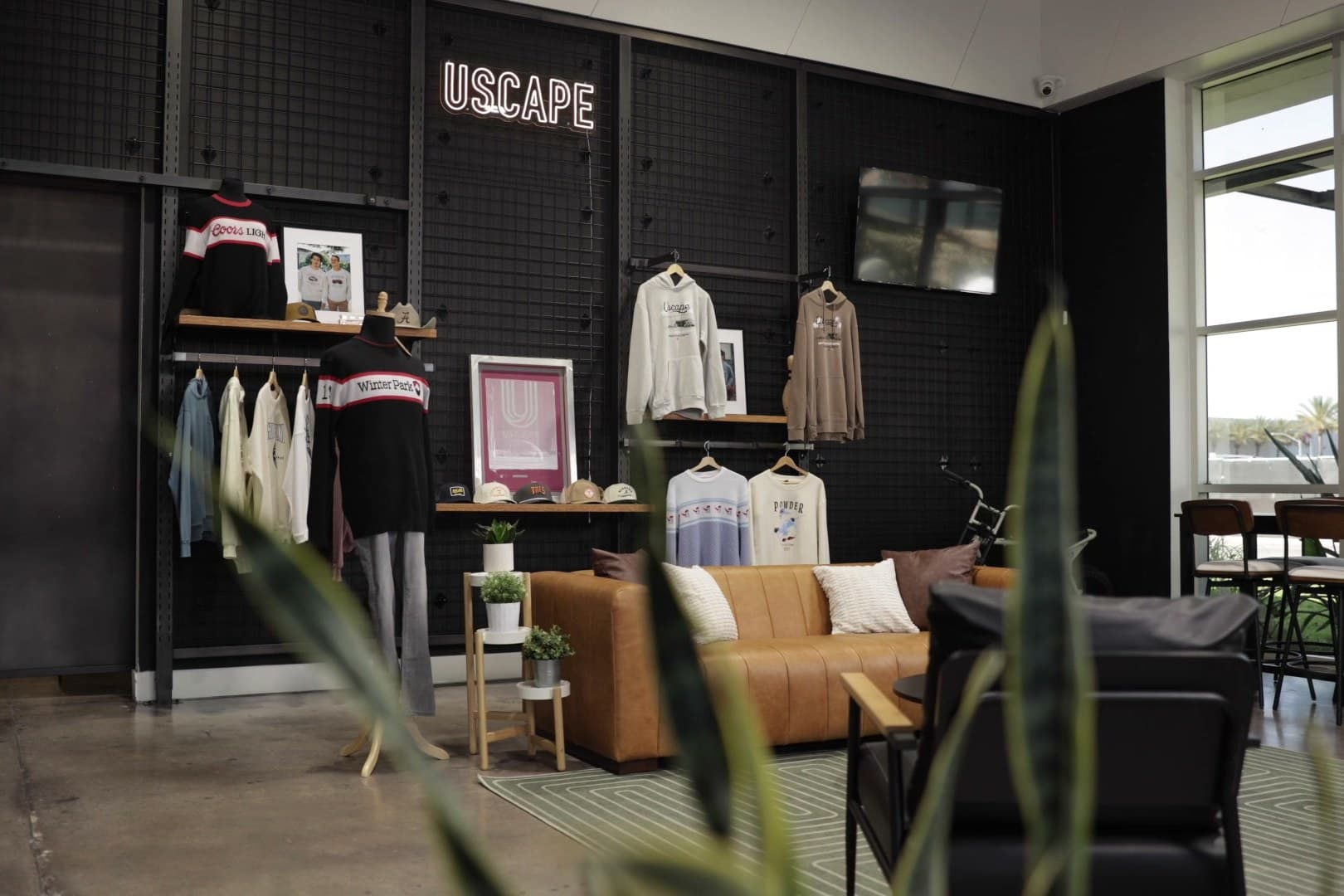
- Apparel manufacturer
- Irvine, California
- 6 departments
- 4 months
The business keeps growing and the back office does not. Thousands of hours a year came back to the team in four months, and USCAPE takes on more accounts, more reps and more orders with the people it already has.
About USCAPE
USCAPE makes collegiate, destination and headwear apparel in Irvine, California, and sells through an independent rep force into college bookstores, resorts and specialty retail, with retail accounts on EDI. It runs on a legacy ERP, QuickBooks, Dropbox, project boards and email. It is growing fast, and the question was how to take on more accounts without growing the back office at the same rate.
Where the hours went
Every new account, order and proof crossed a stack of disconnected systems: a legacy ERP grown over years of custom scripts, hundreds of legacy project boards, accounting, file storage and email. New dealer applications sat on boards while credit references were chased one email at a time and took weeks to come back. Production art ran on a board of hundreds of open jobs, with customers approving the same art twice, one purchase order generating several approval emails, and proofs keyed into the ERP by an outside vendor. Reps emailed orders and account managers keyed them in by hand. The same retailer could exist as several records, so orders, commissions and shipments went to the wrong door.
When the team was asked where their time went, they named dozens of workflows and days of manual work every week, and that was the floor. Every new account, every new rep and every new design added to it. Growth meant hiring into the back office, or slowing down. That is where most apparel manufacturers sit: the work is predictable, the systems are old, and the only lever has been headcount.
What we built, department by department
One operating platform on top of the systems USCAPE already runs, with an agent in every department. Agents draft, check, chase and record; a person approves every gate.
Sales operations
A rep's email becomes a review-ready order in minutes.
The Order Agent reads every order a rep sends, including emails, spreadsheets, PDFs and scans, and drafts it with a confidence score on every field. One click pushes it into the ERP priced, sized and UPC'd. Reorders rebuild from the prior order, missing details become a drafted ask, and every customer gets a confirmation.
- Reads emails, spreadsheets, PDFs and scans
- Priced, sized and UPC'd against a nightly price-list mirror
- Reorders rebuilt from the prior order
- College and destination orders on the same review queue
- Retail EDI purchase orders acknowledged in one click
Minutes
from a rep's order email to a review-ready order, from hours of hand keying
One click
into the ERP, priced, sized and UPC'd
How it works
The five things that made this a transformation and not a tool.
Results
- New dealers waited on two legacy boards and weeks of reference chasing.Reviewed, researched and credit-assessed the day the application lands.
- Art approved twice, proofs keyed into the ERP by an outside vendor.Approved once, every proof and file in its place on its own.
- Orders keyed by hand, often twice.Drafted in minutes and pushed into the ERP in one click.
- One retailer as several records, shipments to the wrong door.One record per account, every location under it.
- Growth meant hiring into the back office.More accounts, more reps and more orders with the same team.
If you make apparel for the same channels
Collegiate, destination, promotional or private label: the back office is the same, and so is where we start.